| Sign In | Join Free | My components-electronic.com |
|
A passenger-car engine oil developed around the stated API performance level and SAE viscosity grade, with formulation, filling and batch documentation managed for consistent repeat supply.
Performance targets, base-oil route, additive system, packaging and test plan are aligned before production.
Detergent and dispersant chemistry can be selected to support engine cleanliness under the intended service profile.
The formulation is designed to help protect lubricated components during start-up and normal operating conditions.
Base-oil and additive selection is controlled to support viscosity retention and oil durability.
The stated SAE grade should be matched to the vehicle manual, climate and target market before release.
Our work begins when qualified base oils, additives and packaging materials enter the factory. The objective is a product that can be manufactured, tested, traced and repeatedly delivered.
Application, market, performance level, viscosity, packaging, order volume and documentation are confirmed.
Supplier status, batch documents, packaging condition and relevant incoming properties are checked before use.
The approved formula, dosing order, tolerances, temperature, mixing time and tests are controlled by version.
Materials are metered, blended and sampled. Out-of-target batches remain isolated until authorized action and re-test.
Line clearance, filtration, first-piece approval, fill quantity, closure, sealing, coding and carton checks are recorded.
Finished-product tests, packaging inspection and batch documents must be complete before shipment release.
Documentation is supplied according to the final SKU, contract and market requirements.
Links the batch number, production date, release tests, specification limits and actual results.
Describes intended use, typical properties, performance level, viscosity grade and application guidance.
Covers hazards, handling, storage, transport, spill response and first-aid information.
Finished-product reports, validation tests or qualified third-party work can be arranged by project.
OEM is suitable when your product specification, brand and packaging are already defined. ODM starts earlier, with product positioning, formulation route, samples, packaging and validation developed together.
Market, equipment, specifications, pack size, volume, target cost and launch timing.
Verified formula, optimized formula or new ODM development route.
Sample version, internal testing, customer feedback and approved reference standard.
Container, closure, seal, artwork, carton, code and shipping configuration.
Version-controlled formula, documented process, batch testing and shipment documents.
Yes. The product route can be selected around the target equipment, market position, climate, standard and cost target.
Yes. Pack size, container color, closure, seal, label, carton, shipping mark and pallet method can be developed by project.
Typical project documents include TDS, SDS/MSDS, batch COA and finished-product inspection records. Third-party testing can be arranged where required.
Through approved samples, product specifications, formula version control, qualified materials, production instructions, process and final testing, batch records and retained samples.
Include the target market, application, technical standard, viscosity or grade, pack size, estimated quantity and required documents.
|
|
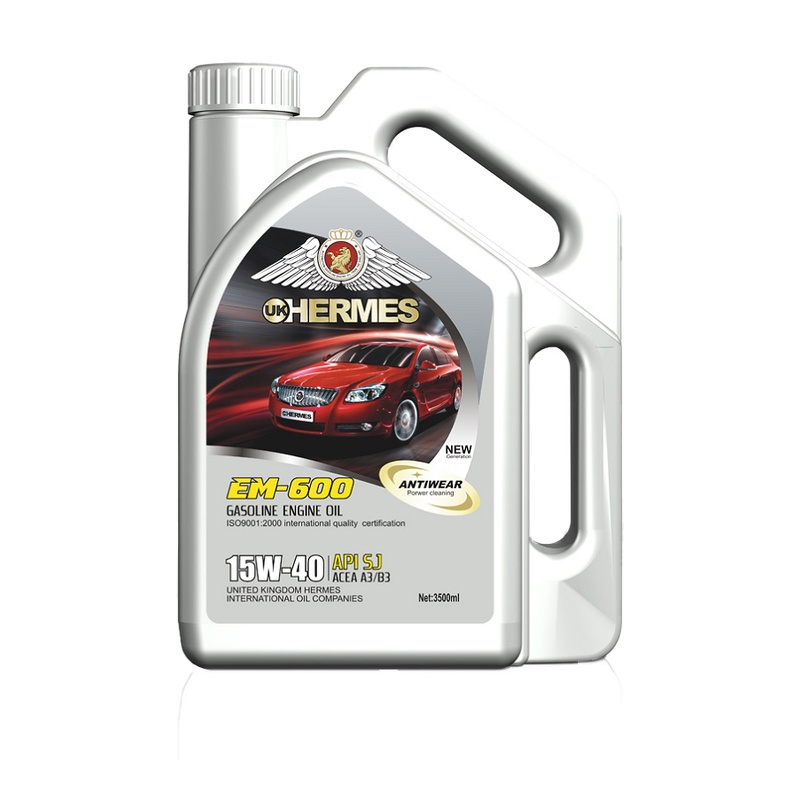
EM-600 API SJ 15W-40 High-Performance Gasoline Engine Oil 3.5L for Passenger Cars Images |